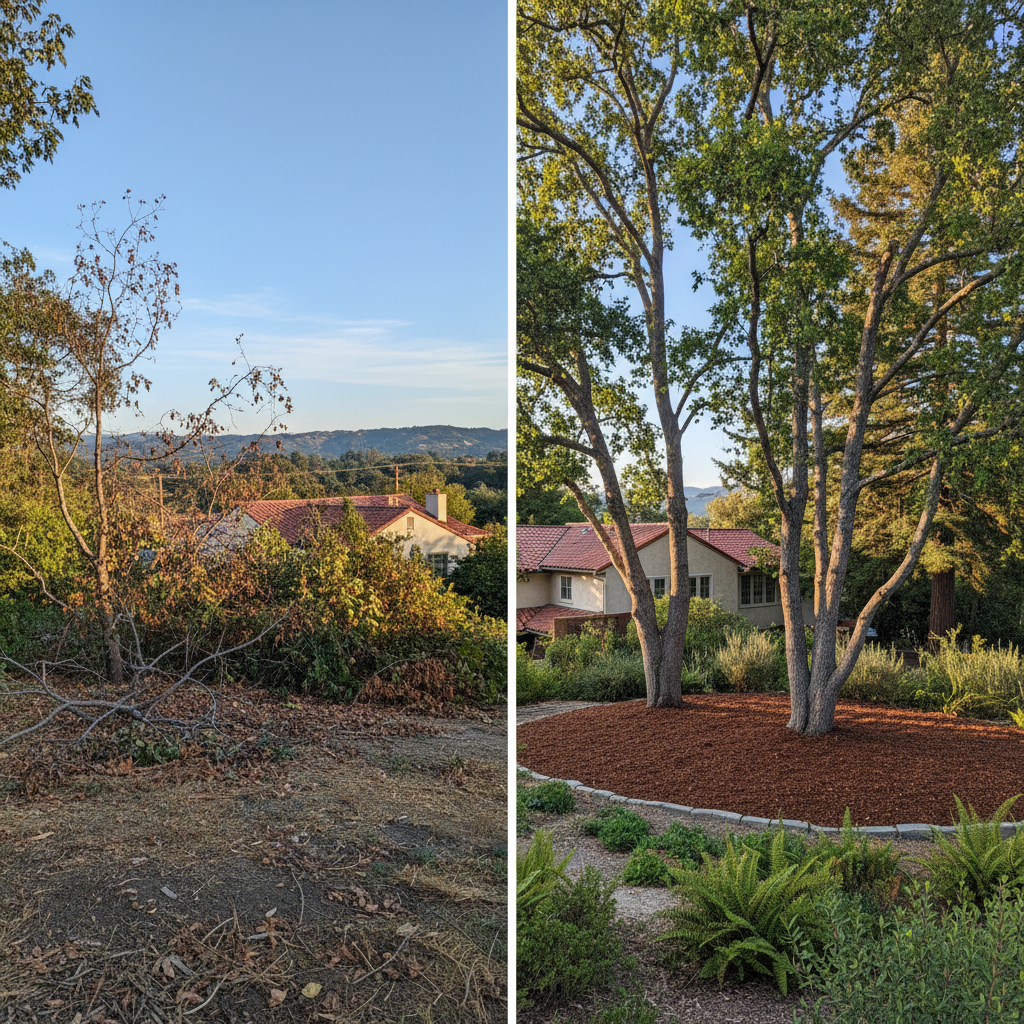
You've got trees on your property, right? Maybe a big old oak, a couple of redwoods, or some fruit trees. Whatever they are, you've probably wondered about the best way to keep 'em healthy. From what I've seen running Oakland Tree Service for years, most folks fall into one of two camps: you're either proactive about your tree's health, or you're reactive. Let's dig into what that really means for you, your trees, and your bank account.
The Reactive Approach: Wait and See
This is pretty common, especially for new homeowners or those who just haven't thought much about their trees. The reactive approach means you only call in a professional when there's a clear problem. A branch breaks, leaves are turning yellow, there's a weird fungus growing, or the tree just looks like it's on its last legs. You see an issue, and then you act.
Cost
Initially, this might feel cheaper. You're not spending money regularly. But when a problem does pop up, it's often a big one. A dead branch that falls could damage your roof or a fence. A sick tree might need extensive treatment, or worse, a full removal. And let me tell you, emergency removals, especially for large trees in tight Oakland backyards, are never cheap. You're paying for urgency, risk, and often more complex work than preventative care.
Durability & Longevity
Your tree's lifespan is definitely at risk with this method. By the time symptoms are obvious, the underlying issue might be severe. Diseases can spread quickly, and pests can establish themselves deeply. You're essentially letting problems fester, which weakens the tree's overall structure and health. It's like waiting for your car's engine to seize before you ever get an oil change.
Maintenance
There's no routine maintenance here, which is the whole point. But when you do need work, it's usually high-stress and demanding. You're dealing with a crisis, not a planned service. This can also mean more invasive treatments or harsher pruning to address advanced issues.
Appearance
A tree that's only treated reactively often looks stressed. You might see dead branches, sparse foliage, or discolored leaves. It won't have that vibrant, healthy look you want. Plus, emergency pruning to remove dangerous limbs can sometimes leave a tree looking unbalanced or hacked.
The Proactive Approach: Regular Health & Maintenance
This is where you're investing in your tree's long-term health, much like you'd get regular check-ups for yourself or your car. A proactive homeowner schedules routine inspections, preventative pruning, and sometimes even soil amendments or pest management treatments before problems become visible.
Cost
Yes, you'll have regular expenses. Maybe an annual or biennial inspection and light pruning. But these costs are usually predictable and much lower than emergency services. Think of it as insurance. You're preventing expensive problems down the line. A small issue caught early, like a developing fungal infection or a weak branch union, is far cheaper to address than a full-blown disease or a fallen limb.
Durability & Longevity
This is where proactive care shines. Regular maintenance helps your trees grow strong, develop good structure, and resist pests and diseases. We can spot potential issues like girdling roots or early signs of blight that you might never notice. This significantly increases your tree's lifespan and its ability to withstand things like our dry California summers or strong winter winds coming off the Bay.
Maintenance
It's scheduled, predictable, and generally less intensive. We're doing light corrective pruning, monitoring health, and making small adjustments. This keeps the tree in optimal condition without ever needing drastic intervention. It's a partnership between you, your arborist, and the tree.
Appearance
Proactively cared-for trees look fantastic. They're well-shaped, have dense, healthy foliage, and fewer dead or struggling branches. Regular, thoughtful pruning enhances their natural beauty and promotes strong, balanced growth. They become a real asset to your property's curb appeal.
My Recommendation for Oakland Homeowners
Look, I'm not going to beat around the bush. For homeowners in Oakland, especially with our diverse tree population and sometimes challenging soil conditions – think about the clay soils in the Oakland Hills – the proactive approach is almost always the better choice. It might feel like an added expense upfront, but it pays dividends in the long run.
You'll save money by avoiding costly emergencies, extend the life of your beautiful trees, and boost your property value. Plus, you get the peace of mind knowing your trees are healthy and safe. A healthy tree is a happy tree, and a happy tree means a happy homeowner. If you're not sure where to start, give us a call at Oakland Tree Service. We can come out, take a look, and help you set up a smart, proactive plan for your trees.