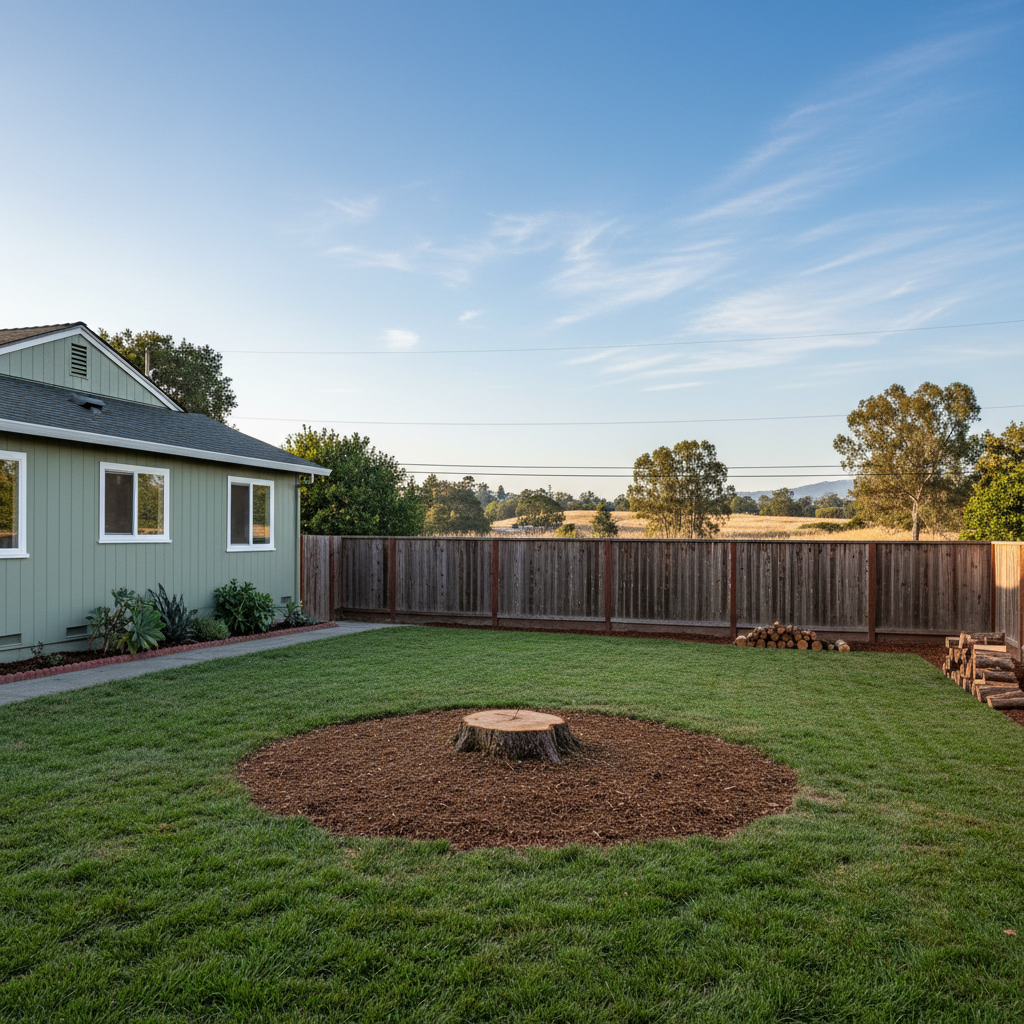
You've got a tree that needs to come down, and you're probably wondering, "How much is this going to set me back?" It's a fair question, and the answer isn't always simple. I've been doing this work in Oakland for years, and I can tell you there's a big range in pricing, but I can also give you some solid numbers and explain what makes those prices fluctuate.
What Makes Tree Removal Cost More or Less?
When I give you a quote, I'm not just pulling a number out of thin air. A lot of things go into it. Here's what we're looking at:
- Tree Size: This is probably the biggest factor. A small sapling is obviously cheaper than a massive oak. We're talking height, trunk diameter, and canopy spread. A 20-foot ornamental tree is a different beast than a 70-foot redwood.
- Tree Type: Some trees are just harder to remove. Palms, for example, can be tricky because their fronds are heavy and dense, and they often grow very tall. Hardwoods like oaks or liquidambars are denser and take more effort to cut and process than softer woods.
- Location and Accessibility: Can we get our equipment right up to the tree? Or is it tucked away in a backyard with a narrow gate, meaning we have to haul everything by hand? Is it over a fence, a shed, or your prize-winning rose garden? Working in tight spaces, especially in some of Oakland's older, denser neighborhoods like Adams Point or Piedmont Avenue, adds time and complexity, and therefore cost.
- Condition of the Tree: A healthy, upright tree is easier to remove than one that's leaning precariously, diseased, or already partially fallen. Hazardous trees require extra safety precautions and specialized techniques, which drives up the price.
- Stump Grinding: Do you want the stump gone too? That's usually an add-on service. We'll grind it down below ground level so you can plant grass or put something else there.
- Debris Removal: Do you want us to haul away all the wood and branches, or are you happy to keep some for firewood or mulch? Hauling takes time and fuel, so if you're willing to handle some of the cleanup, you might save a bit.
Typical Tree Removal Cost Ranges in Oakland
Alright, let's talk numbers. These are general ranges, but they'll give you a good idea:
- Small Trees (under 25 feet): Think ornamental trees, smaller fruit trees, or young evergreens. You're generally looking at $300 - $700.
- Medium Trees (25-50 feet): Many common backyard trees fall into this category. Expect to pay anywhere from $600 - $1,500.
- Large Trees (50-75 feet): These are substantial trees, often requiring more specialized equipment and crew. Costs can range from $1,200 - $3,500.
- Very Large/Hazardous Trees (over 75 feet or complex removal): This is where it gets serious. Think massive redwoods, large oaks overhanging structures, or trees that are already partially fallen. These can easily run from $2,500 up to $8,000+, depending on the specific challenges.
Remember, these are just averages. A 70-foot tree in an open field is a lot less work than a 50-foot tree leaning over your neighbor's garage in the Oakland Hills, where the soil can be unstable after heavy rains.
What Should Be Included in Your Quote?
When you get a quote from Oakland Tree Service or any reputable company, it should be clear about what's included. Typically, a quote will cover:
- The actual cutting and felling of the tree.
- Breaking down the tree into manageable pieces.
- Basic cleanup of the immediate area.
- Hauling away the main wood and branches (unless you specify otherwise).
Make sure to ask if stump grinding, wood chipping, or specific debris removal (like raking up all the small leaves and twigs) are included or if they're extra. Don't assume anything.
How to Avoid Overpaying for Tree Removal
Nobody wants to get ripped off. Here's how you can protect your wallet:
- Get Multiple Quotes: This is probably the best advice I can give you. Get at least three written estimates from different licensed and insured companies. It helps you understand the market rate and spot any outliers.
- Check Credentials: Make sure the company is licensed and insured. Ask for proof. If they're not, you could be liable if someone gets hurt or your property is damaged.
- Be Specific About What You Want: Clearly communicate if you want the stump ground, if you want to keep firewood, or if there are specific concerns about your property. The more details you provide, the more accurate the quote will be.
- Don't Automatically Go for the Cheapest: The lowest bid isn't always the best. Sometimes it means they're cutting corners on insurance, equipment, or experienced labor. Tree removal is dangerous work; you want professionals who know what they're doing.
- Read the Contract: Before any work starts, make sure you understand everything in the contract. What's included? What's not? What's the payment schedule?
Doing your homework upfront will save you headaches and money in the long run. Good luck!