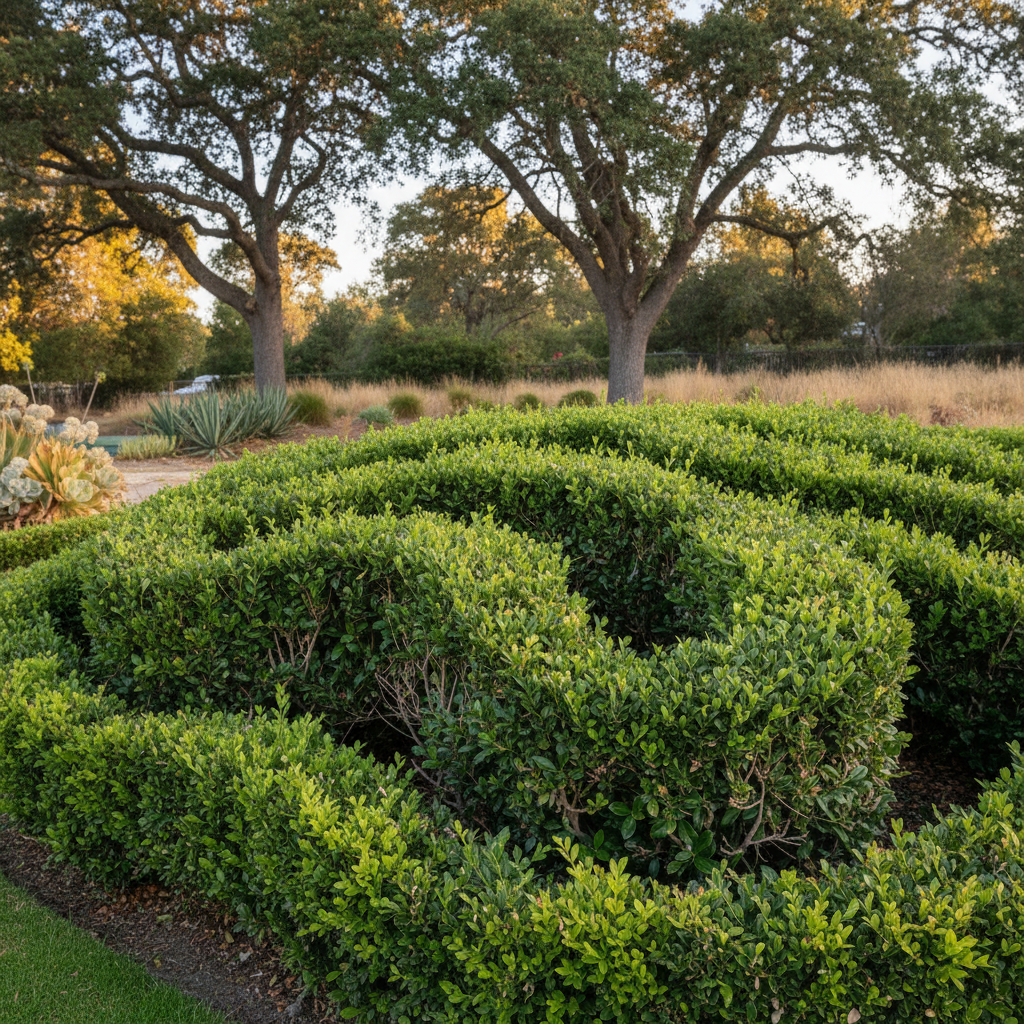
Got some unruly shrubs or bushes around your Oakland home? It's a common sight. Maybe they're blocking a window, encroaching on a pathway, or just looking a bit shaggy. Trimming them up can make a huge difference in your home's curb appeal and even the health of the plants themselves. But before you grab the shears, let's talk about what you can realistically do yourself and when it's smarter to call in a pro.
Before You Trim: Planning & Prep
First off, know your plant. Seriously. Is it a flowering shrub? An evergreen? A deciduous bush that drops its leaves every fall? The type of plant dictates when you should trim it. For most flowering shrubs, you'll want to prune them right after they finish blooming. If you do it before, you're just cutting off next year's flowers. Non-flowering evergreens, like boxwoods or junipers, are pretty forgiving and can usually be trimmed in late winter or early spring before new growth starts, or even lightly in summer to maintain shape.
Next, think about your goal. Are you just tidying up? Reducing size? Or trying to encourage more blooms? Having a clear objective will guide your cuts. You'll also need the right tools. For smaller jobs, a good pair of bypass hand pruners is essential for clean cuts on branches up to about half an inch thick. Loppers are great for thicker branches, up to an inch or so. And if you've got hedges, a pair of hedge shears – manual or electric – will make quick work of shaping. Always make sure your tools are sharp and clean. Dull blades tear and damage plant tissue, which can invite disease. A quick wipe down with rubbing alcohol between plants can also prevent spreading any potential issues.
Safety first, always. Wear gloves, safety glasses, and sturdy shoes. You don't want a stray branch poking an eye or a dropped tool landing on your foot.
During the Trim: Making the Right Cuts
Okay, you've got your plan and your tools. Now for the actual trimming. Here's a general rule: aim for natural shapes. Don't try to force a square peg into a round hole, or a round bush into a perfect cube unless that's its natural habit. Step back often and look at the overall shape. It's easy to get tunnel vision when you're up close.
For most shrubs, you want to remove dead, damaged, or diseased branches first. These are easy to spot – they're usually discolored, brittle, or just clearly not thriving. Cut these back to healthy wood or to the main stem. Then, look for any crossing branches that might rub and create wounds. Remove the weaker of the two. Next, thin out the interior if it's too dense. This improves air circulation, which is super important in our sometimes humid Oakland mornings, and allows light to reach inner leaves. Cut back to an outward-facing bud or a main branch. This encourages growth away from the center of the plant.
When you're reducing size, don't just hack off the top. This often leads to a dense flush of weak growth right below the cut. Instead, try to cut back individual branches to a point where they meet another branch or an outward-facing bud. This is called 'reduction pruning' and it helps maintain a more natural look while still reducing overall size. For hedges, you can be a bit more aggressive with shaping, but still try to make the base slightly wider than the top. This allows sunlight to reach the lower branches, preventing them from becoming sparse and leggy.
After the Trim: Clean Up & When to Call Us
Once you're done, rake up all the trimmings. Leaving them around can harbor pests or diseases. Give your tools another good cleaning and sharpen them if needed. Then, take a moment to admire your work! Your plants will thank you with healthier growth and better blooms.
So, when is it time to call in the pros at Oakland Tree Service? Well, if the job feels too big, too tall, or too complicated, that's your first sign. If you're dealing with very large, established shrubs that require a ladder or power tools you're not comfortable using, definitely give us a call. We've got the specialized equipment and the experience to tackle those bigger jobs safely and efficiently. Also, if you're unsure about the plant type or the best pruning technique for a specific specimen, especially if it's a valuable or old plant, a professional consultation can save you from making a costly mistake.
Sometimes, homeowners in areas like the Oakland Hills have very mature, dense hedges that are practically small trees. These often require more than just a pair of hedge shears and can be dangerous to work on without the right gear. Or maybe you've got a shrub that's grown into your house's foundation or is interfering with power lines. Those are definitely jobs for us. We can assess the situation, make the right cuts for the plant's health and your property's safety, and haul away all the debris. Don't risk injury or damaging your plants. A little help from the experts can go a long way.
A Note on Over-Trimming
One last thing: resist the urge to over-trim. It's better to under-prune and come back later than to remove too much at once. Most shrubs can recover from a light trim, but aggressive hacking can stress them out and even kill them. If you're ever in doubt, a conservative approach is usually best. And if you're really not sure, that's what we're here for.