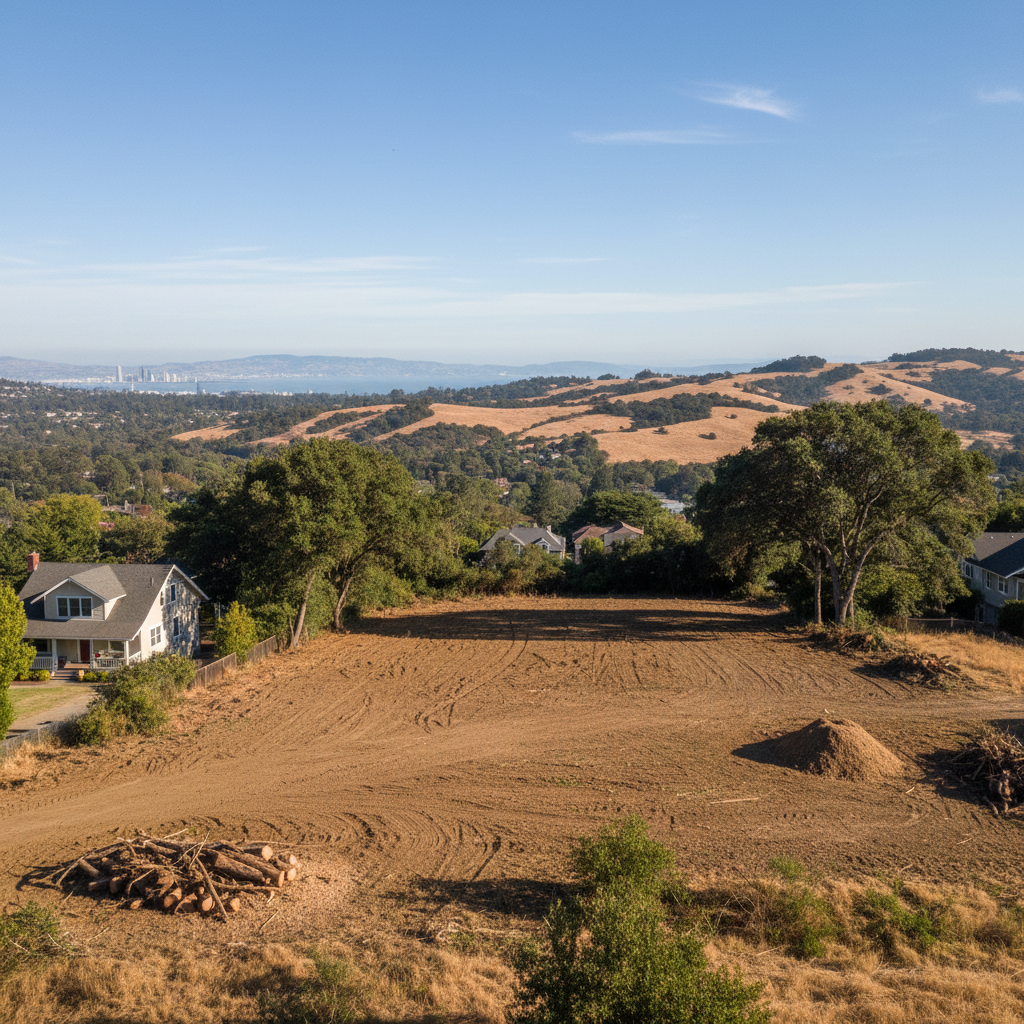
So, you've got a piece of land in Oakland that needs clearing. Maybe it's a new build site, maybe you're finally tackling that overgrown section of your yard, or maybe you're just trying to reduce fire risk. Whatever the reason, lot clearing isn't just about showing up with a chainsaw. It's a significant project, and getting it right means planning ahead. I've seen plenty of these jobs over the years, and I can tell you, a little preparation goes a long way.
Understanding the Timeline: It's Not Instant
The first thing you need to wrap your head around is that lot clearing takes time. It's not a weekend warrior job, especially if you're dealing with anything substantial. Here's a rough breakdown of what you're looking at:
- Initial Assessment & Bids (1-3 weeks): You'll need to contact a few reputable companies, like us at Oakland Tree Service, to come out, look at the property, and give you an estimate. This isn't just about tree count; it's about access, terrain, what kind of vegetation is there, and what you want done with it.
- Permitting (Weeks to Months): This is often the biggest wildcard. Depending on the size of the lot, the number and type of trees, and your specific plans, you might need permits from the City of Oakland. If you've got mature oaks or redwoods, especially in areas like the Oakland Hills, you'll definitely be dealing with the city's planning department. Don't skip this step; fines for unpermitted tree removal are no joke. Your contractor should be able to guide you on this, but ultimately, it's your responsibility as the homeowner.
- Scheduling the Work (1-4 weeks out): Once permits are in hand, you'll need to get on your chosen contractor's schedule. Good companies are busy, so don't expect them to show up tomorrow.
- Actual Clearing Work (Days to Weeks): The physical work itself depends entirely on the size and scope. A small, brushy area might be a few days. A heavily wooded acre with stump grinding could be several weeks.
So, from your first call to a clear lot, you're realistically looking at anywhere from 6 weeks to 4 months, sometimes even longer if permits get complicated.
What to Expect During the Process
When the crew finally shows up, here's what you'll typically see:
- Site Setup: They'll establish a staging area for equipment, wood, and debris. This might involve setting up temporary fencing or safety cones.
- Vegetation Removal: This is the main event. Trees will be felled, brush cut, and smaller vegetation cleared. Depending on the plan, this could involve chainsaws, chippers, excavators, and other heavy machinery. It's going to be loud, and there will be a lot of activity.
- Debris Management: What happens to all that wood and brush? It's usually chipped on-site, hauled away, or sometimes left for you to use as mulch or firewood if that was part of the agreement. Make sure this is clear in your contract.
- Stump Removal/Grinding: If you want stumps gone, that's a separate step. Grinding leaves wood chips; removal means digging the whole thing out.
- Site Cleanup: A good crew will leave the site as clean as possible, removing stray branches and sawdust. Don't expect a perfectly manicured lawn, but it shouldn't look like a war zone either.
Communication is key here. Your project manager should keep you updated on progress and any unexpected issues.
How to Prepare Your Property
Before the crew arrives, there are a few things you can do to make the process smoother and safer:
- Clear the Area: Move anything valuable or fragile away from the work zone. Think garden ornaments, patio furniture, kids' toys, or even vehicles.
- Mark Boundaries: Clearly mark your property lines, especially if they're not obvious. This prevents accidental clearing of a neighbor's land.
- Identify Keepers: If there are specific trees or plants you want to save, mark them clearly with flagging tape. Don't assume the crew will know.
- Inform Neighbors: Give your neighbors a heads-up about the upcoming work. It'll be noisy, and their access might be temporarily affected. A little courtesy goes a long way.
- Secure Pets: Keep all pets indoors or securely contained during the work. This is for their safety and the crew's.
- Access: Ensure there's clear access for trucks and equipment. If gates need to be unlocked, make arrangements.
Questions to Ask Before Signing a Contract
This is where you protect yourself. Don't be shy. Ask every single question you have. Here are the big ones:
- Are you licensed and insured? This is non-negotiable. Ask for proof of both. Liability insurance protects you if something goes wrong.
- What permits are needed, and who is responsible for obtaining them? Get this in writing.
- What's included in the quote? Be specific. Does it include stump grinding? Debris removal? Hauling? Site cleanup?
- How will you protect my existing structures or landscaping? If they're working near your house, fence, or a prized rose bush, what's their plan?
- What's your estimated timeline for the project? Get a start date and an estimated completion date.
- What's your payment schedule? Avoid paying the full amount upfront. A reasonable deposit is fine, with payments tied to milestones.
- What happens if you encounter unexpected issues? Like buried pipes, unexpected rock formations, or protected wildlife. How will that affect the timeline and cost?
- Can you provide references? And actually call them.
- What are your safety protocols? A professional company will have clear safety procedures for their crew and your property.
Lot clearing is a big investment, and you want it done right, safely, and without any surprises. By doing your homework and asking the right questions, you'll set yourself up for a successful project. If you're in Oakland and need a hand planning or executing your lot clearing, give Oakland Tree Service a call. We're happy to walk you through it.