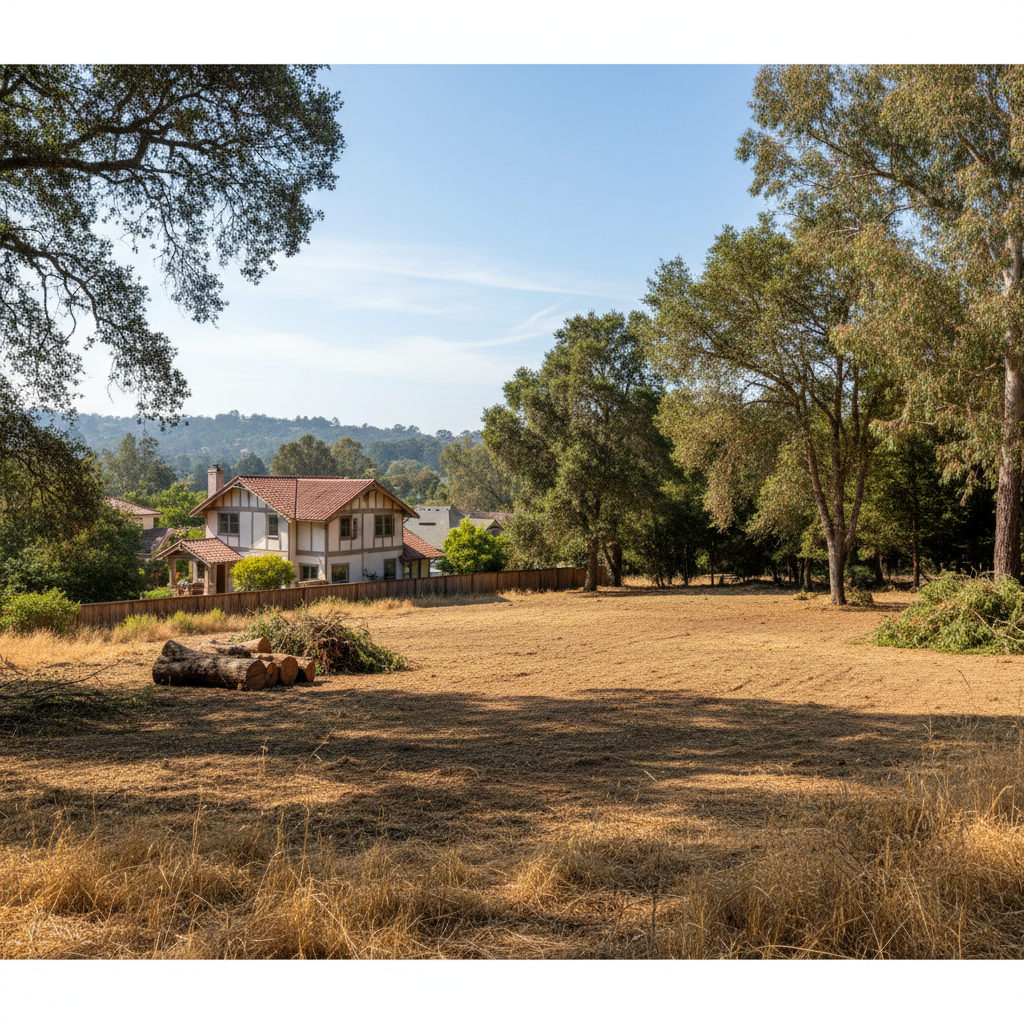
You've put in the effort, or maybe you hired us at Oakland Tree Service, to get that overgrown lot cleared out. It's looking good, right? All that brush, those invasive plants, the dead wood — gone. But here's the thing: nature doesn't quit. Especially here in California, with our wet winters and dry, fire-prone summers, a cleared lot can quickly become overgrown again if you're not on top of it. Think of lot clearing as a major landscaping project; it needs ongoing care.
Extending the Life of Your Lot Clearing
The goal isn't just to clear it once, it's to keep it clear. The biggest factor in extending the life of your lot clearing is preventing regrowth. After a professional job, the ground might look bare, but dormant seeds and root fragments are just waiting for the right conditions. This is especially true for aggressive species like broom or acacia that are common around the Oakland hills. They're tenacious.
One of the best things you can do immediately after clearing is to lay down a thick layer of mulch. Wood chips, especially from the clearing itself if they were chipped, can suppress weeds by blocking sunlight and making it harder for new seeds to germinate. Plus, it helps retain soil moisture, which is a bonus for any desirable plants you might want to introduce later. Another strategy, if appropriate for your property, is to plant native, slow-growing, fire-resistant groundcovers or shrubs. These can outcompete weeds and help stabilize the soil without becoming a fire hazard themselves. Just make sure whatever you plant is suitable for our local climate and doesn't require excessive water.
What Regular Maintenance Looks Like
Regular maintenance for a cleared lot isn't a one-and-done deal. It's more about consistent, smaller efforts. You'll want to schedule a walk-through of your property at least once a quarter, but ideally, monthly during the growing season, which for us means spring and early summer after the rains. Look for new sprouts, especially around the edges of the cleared area or in any disturbed soil.
Here's what you're doing on those walk-throughs:
- Weed Patrol: Pull out young weeds by hand before they get established. It's much easier to yank a small sapling than to deal with a mature bush. Pay extra attention to known invasive species.
- Brush Management: Trim back any new brush growth. If you've got a lot of acreage, a weed whacker or brush cutter can be your best friend. Keep an eye on any fire breaks or defensible space zones you've established; these need to be kept clear of flammable materials.
- Monitor Mulch: Check your mulch layer. Over time, it breaks down or gets displaced. Replenish it as needed to maintain that weed-suppressing barrier.
- Inspect for Erosion: Especially on sloped properties, heavy rains can cause erosion, exposing new soil for weeds to take root. Address any small erosion issues quickly before they become big problems.
Remember, the goal is to catch problems when they're small. A few minutes of work here and there is way better than another massive clearing project down the line.
Warning Signs of Problems
How do you know if your maintenance isn't cutting it, or if something bigger is brewing? Keep an eye out for these red flags:
- Rapid Regrowth: If you're seeing significant new growth, especially of the same aggressive species you just cleared, within a few months, your maintenance might be too infrequent or not thorough enough.
- Dense Patches: Instead of scattered weeds, you start to see dense patches of brush or saplings forming. This means they're getting established and will be harder to remove.
- Increased Pest Activity: Overgrown areas can become havens for pests like rodents or even snakes. If you notice an increase in these critters, it could be a sign your lot is getting too wild again.
- Fire Hazard Accumulation: Dead leaves, dry grasses, and fallen branches can accumulate quickly, especially in our dry season. If you see these building up, you're creating a fire risk, which is a huge concern in Oakland.
When to Call a Professional
Look, I'm all for DIY, but sometimes you need to bring in the pros. You should definitely call Oakland Tree Service or another qualified contractor if:
- It's Too Much to Handle: You've got large areas of dense regrowth, or the brush is too thick for your tools and time. Don't risk injury or ineffective work.
- Hazardous Trees/Brush: If you're dealing with dead trees, large limbs, or brush that's close to structures or power lines, that's a job for trained professionals with the right equipment.
- Fire Abatement Requirements: If you've received a notice from the city or fire department about fire abatement, you need to ensure the work is done correctly and to code. We know the local regulations inside and out.
- You Need Expert Advice: Sometimes you just need an assessment. We can help identify invasive species, suggest long-term solutions, or give you a maintenance plan tailored to your specific property and goals.
- You're Selling the Property: A well-maintained, clear lot adds curb appeal and value, especially in areas where fire safety is a concern. A professional clearing can really make a difference.
Keeping your lot clear is an investment in your property's safety, value, and appearance. Stay on top of it, and you'll save yourself a lot of hassle and expense down the road.