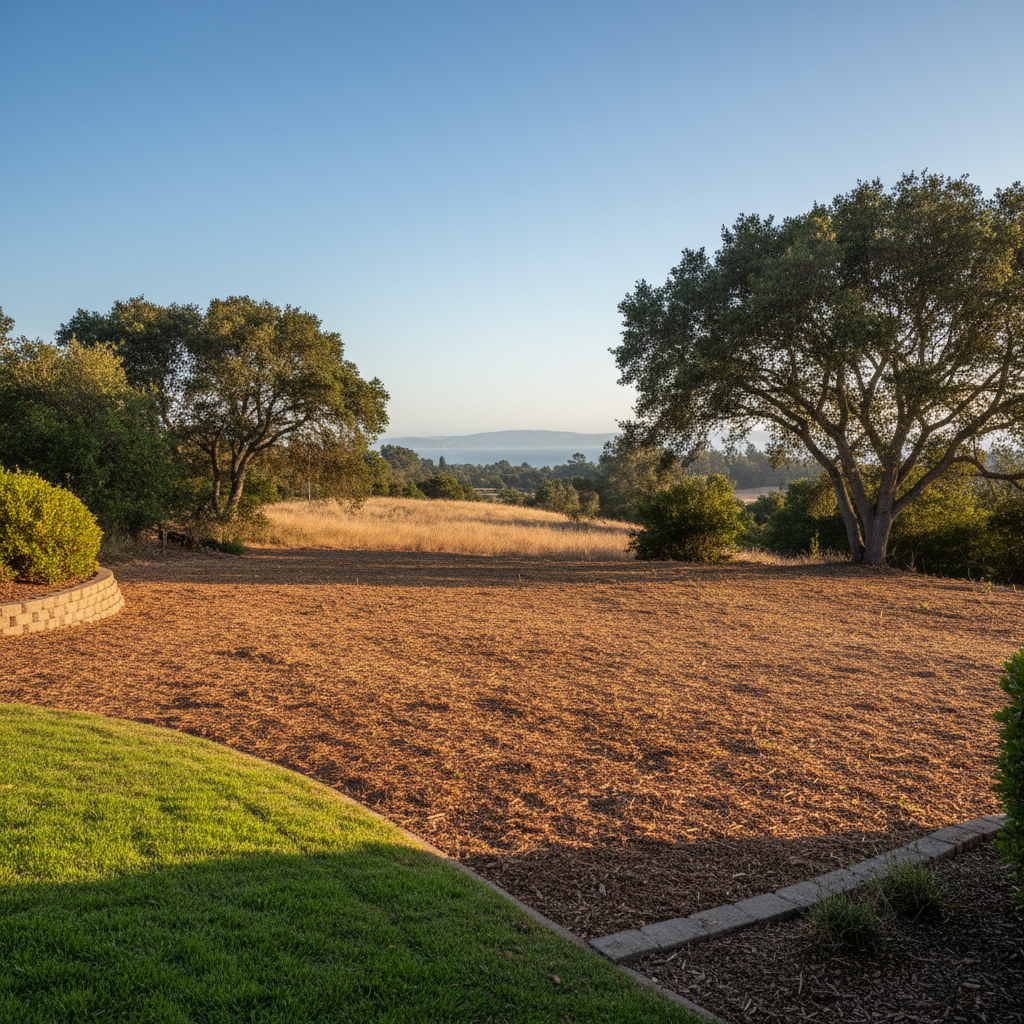
So, you finally got that overgrown lot cleared out. Maybe you tackled it yourself, or maybe you hired a crew like us at Oakland Tree Service to get it done right. Either way, seeing a clean, usable space just feels fantastic. But here's the thing: nature doesn't just stop. It's always trying to reclaim what it sees as its own, especially here in Oakland with our mild climate and quick-growing vegetation. If you want that lot to stay clear and functional, you've got to keep up with it. It's not a one-and-done deal, is it?
Extending the Life of Your Lot Clearing Work
The biggest mistake folks make after a big lot clearing job? They think they're done for good. You're not. You've essentially hit the reset button, but now you need to put in some consistent effort to keep it that way. Prevention and early intervention are key here. Think about what was growing there before. If it was a jungle of ivy, blackberries, or eucalyptus saplings, those roots are still in the ground, just waiting for a chance to sprout again. You've got to stay on top of those initial regrowth efforts, no doubt about it.
One of the best things you can do is establish a clear boundary. If you've got a fence, make sure it's maintained and not letting new growth creep through. If not, consider planting a low-maintenance ground cover. Something that won't get out of hand but will help suppress weeds. For larger areas, mulching is a good idea. A nice layer of wood chips – the kind we often produce from our tree work – can suppress weeds, retain moisture, and slowly break down to improve the soil. Just make sure you're not piling it right up against tree trunks or structures, okay?
Another thing I always tell people: know your enemy. Identify the most aggressive invasive species that were on your lot. Here in the Bay Area, we deal with a lot of French broom, acacia, and those darn blackberries. These plants are tenacious. Learning to spot their seedlings early and pulling them by hand is way easier than waiting for them to become a thicket again.
What Regular Maintenance Looks Like
Regular maintenance for a cleared lot isn't about another massive overhaul. It's about consistent, smaller tasks that prevent things from getting out of hand. How often you do it depends on your specific lot, what's around it, and how much rain we've had. But generally, I'd say a monthly or bi-monthly walk-through is a good idea, especially during the growing season (which, let's be honest, feels like most of the year here).
- Weed Patrol: This is your number one task. Walk the perimeter and the open areas. Pull young weeds and invasive saplings by hand. If you let them get established, you'll be back to square one.
- Pruning & Trimming: Keep an eye on any existing trees or shrubs you decided to keep. Trim back low branches that might become fire hazards or provide cover for unwanted growth. If you have a lot of live oak, for example, you'll want to keep an eye on those lower limbs.
- Debris Removal: Don't let leaves, fallen branches, or other organic matter pile up. This creates fuel for fires and can also provide a nice, cozy spot for pests or new weeds to take root. Keep it clean.
- Check for Erosion: Especially if your lot has any slope, like many properties in the Oakland Hills, heavy rains can cause erosion. Look for ruts or areas where soil is washing away. This can expose roots or create an uneven surface that's harder to maintain.
- Irrigation Checks: If you have any irrigation on the lot, make sure it's working efficiently and not overwatering areas, which can encourage weed growth.
Warning Signs of Problems
You don't need to be an arborist to spot trouble. Your eyes are your best tool. If you see any of these, it's a sign you need to step up your game or call in help:
- Rapid Regrowth: If those invasive species you cleared are shooting up faster and thicker than you can handle, you've got a problem. This often means the root systems are still very active.
- New Infestations: Suddenly seeing a patch of a plant you didn't have before? Could be seeds blown in, or birds dropping them. Catch it early.
- Pest Activity: An increase in gophers, rats, or other critters often means there's more cover or food for them on your property. Keeping the lot clear removes their habitat.
- Erosion Issues: Deep ruts, exposed tree roots, or significant soil displacement after a rain are big red flags. This can undermine structures or established trees.
- Dead or Dying Patches: If you're trying to establish a ground cover and it's dying off, or if existing trees look stressed, something's wrong. It could be disease, pests, or improper drainage.
When to Call a Professional
Look, I'm a big believer in DIY when it makes sense, but there are definitely times when you need to bring in the pros. Here's when you should pick up the phone:
- Overwhelmed by Regrowth: If you've tried to keep up and the lot is starting to look like it did before you cleared it, don't be afraid to call. We can come in, assess the situation, and help you get it back under control, often with more efficient methods and equipment.
- Large Tree or Stump Issues: If you've got a new tree growing where you don't want it, or an old stump that's sprouting like crazy and you can't manage it, that's our bread and butter. Removing large trees or grinding down stumps safely requires specialized tools and expertise.
- Hazardous Conditions: If you see dead or dying trees that could fall, or if there's significant erosion threatening a structure or a public area, call us immediately. Safety first, always.
- Fire Prevention Concerns: Especially during our dry California summers, if you're worried about fire hazards due to vegetation density, we can help you create defensible space and advise on best practices for your specific property. This is crucial for folks living near the wildland urban interface, like in Montclair or the Oakland Hills.
- You Just Don't Have the Time or Equipment: Life gets busy. If you simply can't dedicate the time or don't have the right tools for ongoing maintenance, that's okay. We offer maintenance plans and can handle the heavy lifting, keeping your lot looking good and safe without you breaking your back every weekend.
Keeping your cleared lot clear is an ongoing commitment, but it's one that pays off in terms of property value, safety, and enjoyment. Don't let all that hard work go to waste!